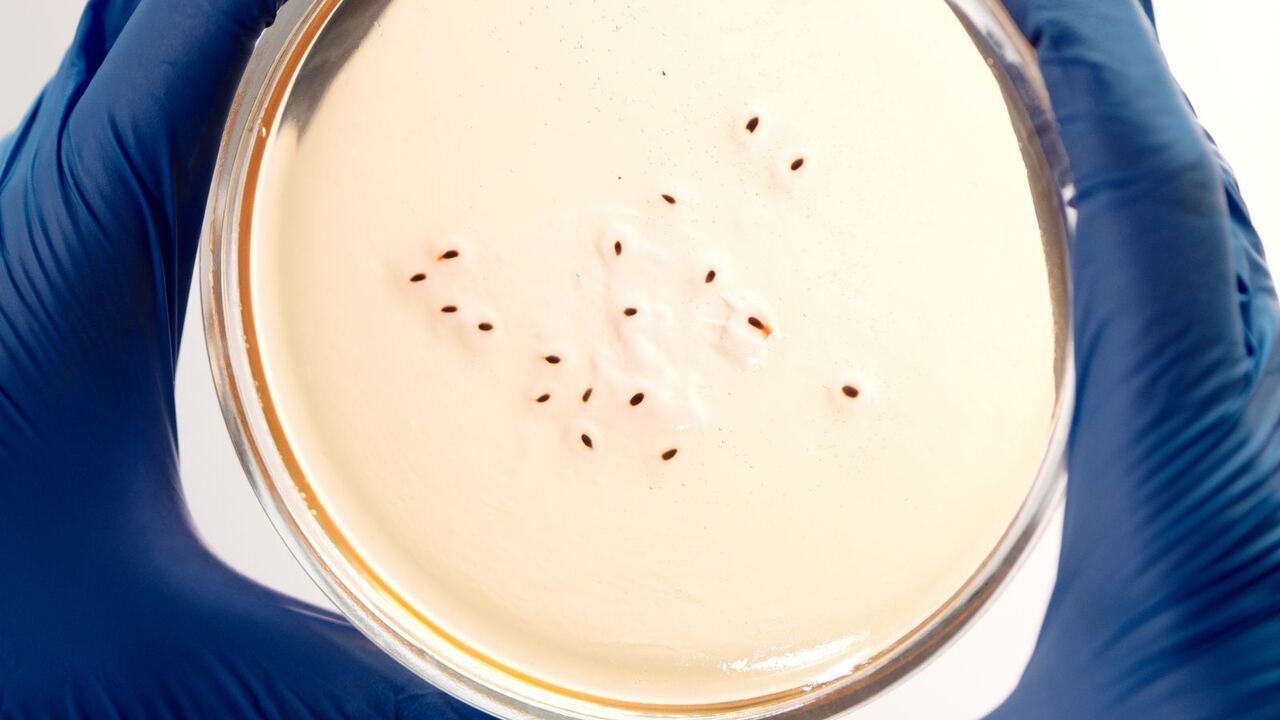
Some people start to feel nauseous and vomit after eating from the same kitchen. The first question that usually arises is: is this an outbreak or not? According to the regulations, that question can wait. The obligation to report has been in effect since there is a suspicion, long before the health department establishes any status.
The regulation used is Minister of Health Regulation Number 2 of 2013 on Extraordinary Events of Food Poisoning. As of September 23, 2026, JDIH BPK records its status as Effective. Its name is also not on the list of 31 regulations that have been revoked or partially revoked by Minister of Health Regulation 3 of 2026 on Disease Control. Its fate is different from the hygiene regulations for catering services, which have been revoked since 2023.
Suspicion first, outbreak status later
Article 1 provides a strict definition. A food poisoning outbreak occurs when two or more people become ill with the same or similar symptoms after eating, and epidemiological analysis proves that the food is the source. The second part is the responsibility of the head of the health department of the regency/city (Article 5), and its determination uses an official form.
As long as the analysis is not complete, the status remains "suspected food poisoning." It is precisely this phase that is regulated by Articles 3 and 4.
Reporting chain and deadlines
| Who | Report to | Deadline | Article |
|---|---|---|---|
| Anyone who knows of the suspicion | Puskesmas, hospitals, nearby health facilities, or village heads | Mandatory, this article does not specify a time frame | 3 paragraph (1) |
| Other health facilities or village heads | Local Puskesmas | 1 x 24 hours | 3 paragraph (3) |
| Puskesmas or hospitals | Head of the health department of the regency/city, verbally then in writing, with copies to the Ministry of Health and BPOM | 1 x 24 hours | 4 paragraph (1) |
| Head of the health department of the regency/city | Regent/mayor: report on the results of the epidemiological investigation | 1 x 24 hours | 27 paragraph (4) |
| Head of the health department of the regency/city | Final report on the control | 2 weeks after the outbreak ends | 27 paragraph (6) |
Incidents at ports, airports, or land border posts are reported to the port health office (Article 3 paragraph 4).
The initial report does not need to wait for the cause to be certain. Article 3 paragraph (2) only requires five things: the identity or phone number of the reporter, date and place of the incident, number of victims, symptoms, and the food suspected to be the cause.
Obligations of kitchen managers
Article 12 paragraph (3) states that food management places related to the outbreak must assist in the smooth investigation of the epidemiology. In practice, investigators will request three types of materials from the kitchen.
Food samples. Article 17 requires the health department and BPOM to immediately take and test food samples. The SOP for handling food at the Puskesmas on the nutritious food program of the Bogor Regency Government states that if the leftover food at the location has been consumed, the officer secures a sample bank at the food provider. The same SOP requires the sample bank to be submitted to the laboratory if there is a suspicion of an outbreak, and it may only be destroyed after 2 x 24 hours without incident. That is why the habit of keeping one portion per menu becomes crucial. Do not dispose of leftover food or the sample bank before the officers arrive.
Denominator figures. Article 13 paragraph (3) requests a description of the victims according to time, place, gender, and age group, as well as the number of at-risk individuals or attack rate. The attack rate needs a denominator: how many portions were consumed, at which point, and at what time. Distribution records per point are the quickest answer to this question.
Process records. The investigation may touch on all aspects of food hygiene and sanitation (Article 12 paragraph 2). Prepare a menu list per batch, cooking and delivery times, temperature records, a list of handlers on duty, and suppliers of materials for that day.
Specimens from the victims' bodies, such as vomit, are taken by authorized health officers (Article 14). The school or kitchen only needs to secure them in a closed container labeled with the name, date, and location, as regulated by the SOP for handling in schools in the same collection.
After the first 24 hours
Article 20 provides options for actions that are immediately felt in the kitchen: prohibition of consuming the suspected food, withdrawal and destruction of the causative food, up to temporary cessation of production. If test results indicate that the source is food that is produced or traded, Article 30 opens administrative actions, including the revocation of the hygiene sanitation certificate.
Neat records do not automatically exempt the kitchen from such actions. What they do is help investigators find the actual source more quickly, which is in the interest of all parties, including kitchens that are not the source.
Sources
- JDIH BPK: Minister of Health Regulation No. 2 of 2013 on Extraordinary Events of Food Poisoning, status Effective
- Text of Minister of Health Regulation Number 2 of 2013 (State Gazette 2013 No. 127), JDIH BPK
- JDIH BPK: Minister of Health Regulation No. 3 of 2026 on Disease Control, list of revoked regulations
- Bogor Regency Government: collection of SOPs for implementing MBG 2025, including SOP for sample bank 2 x 24 hours and food poisoning control