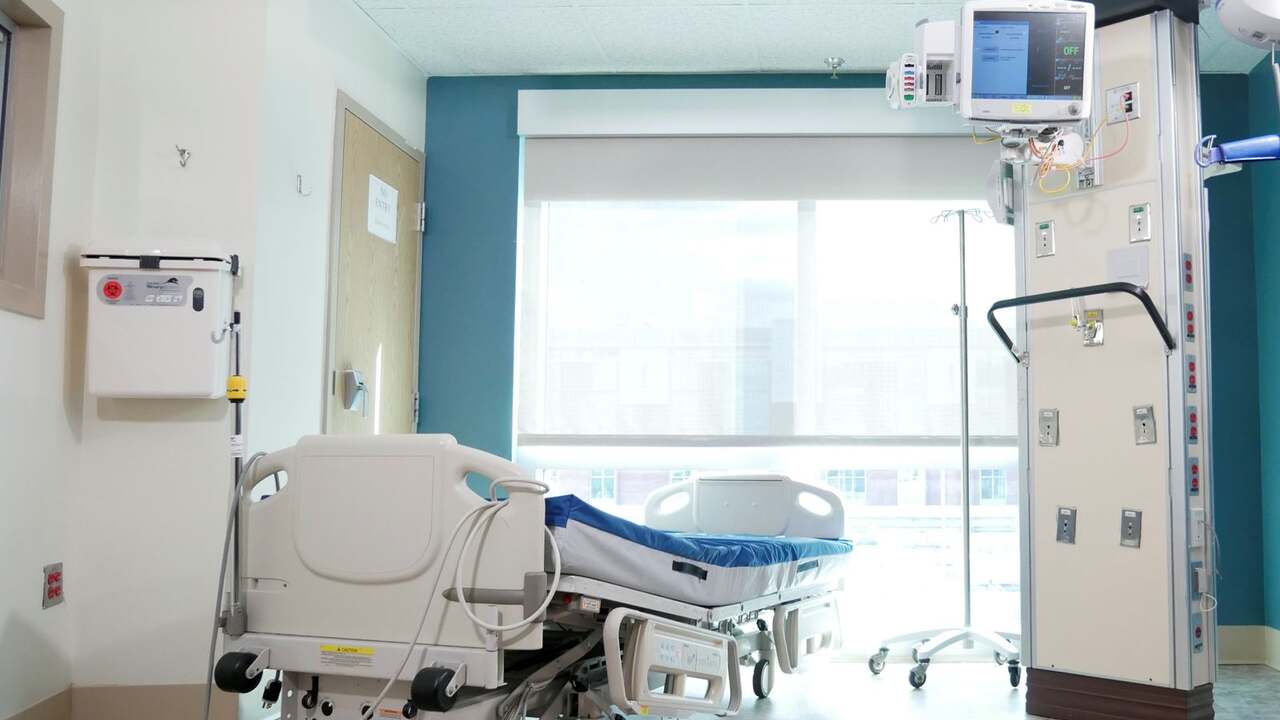
In the intensive care unit, the family requests to turn off the machines. The patient has been in a coma for a long time, has a terminal illness, and had previously expressed a wish not to live dependent on machines. The on-duty doctor usually asks immediately whether it is permissible or not. The rule is to first inquire about another matter: is this patient already dead, or still alive?
Two states that appear identical from the bedside
The Minister of Health Regulation 37/2014 regarding Determination of Death and Utilization of Organ Donors distinguishes between two states that appear almost identical on the monitor: a patient who has been declared brain dead, and a terminal patient who is still alive. Both lie still, both are connected to a ventilator, and both have a heartbeat. The law treats them oppositely.
If brain death is established, stopping it is mandatory
Article 13 paragraph (1) states that all life support therapy must be immediately stopped once someone is declared brain dead. There is no word "permissible" in that context, and there is no room to wait for anyone's approval. The only exception is in paragraph (2): if the patient is to become an organ donor, life support continues until the organs are harvested.
One thing that is often confused here, and Article 12 corrects it firmly. The time of death is recorded when the patient is declared brain dead, not when the ventilator is removed and not when the heart stops. Article 11 letter d emphasizes the other side: a patient is declared brain dead even if their heart is still beating.
The determination has requirements for people, place, and interval
Article 9 does not leave the determination to a single person. The team consists of three competent doctors, including a specialist in anesthesiology and a specialist in neurology. Each must examine independently and separately, so that one person's opinion does not influence the others. The diagnosis must be made in the intensive care unit.
The interval is also regulated. Article 11 letter c requires the brainstem reflex test and the apnea test to be repeated once again, with an interval of 25 minutes to 24 hours. If the patient is a potential donor, Article 9 paragraph (3) prohibits the transplant doctor from being part of that team.
Three things that never make the list
For terminal patients who are still alive, Article 14 paragraph (5) limits what can be stopped or postponed: only extraordinary therapeutic actions and care. The list has thirteen items, including ICU care, cardiopulmonary resuscitation, mechanical ventilation, vasoactive drugs, parenteral nutrition, blood transfusions, and antibiotics.
Paragraph (6) fences off the rest. Oxygen, enteral nutrition, and crystalloid fluids cannot be stopped and cannot be postponed. These three must continue, no matter how severe the patient's condition.
The family's request through a narrow door
Article 15 paragraph (1) does allow families to make requests. Paragraph (3) then narrows when that request can be processed, and there are only two paths. First, the patient has left a will, in the form of specific messages about the futility of actions or appointing someone as a decision-maker. Second, if the patient has not left a will, but the family believes they would decide so based on their beliefs and values.
The decision itself remains not the family's. Article 14 paragraph (3) places it with the team of doctors handling the patient, after consulting with the team appointed by the Medical Committee or the Ethics Committee. Family approval is still required, and Minister of Health Regulation 290/2008 Article 14 requires that approval be given in writing, after the family receives an explanation from the medical team.
Who has the right to sign is also not unrestricted. Article 1 number 2 of Minister of Health Regulation 290/2008 locks the term family to the spouse, biological parents, biological children, siblings, and guardians. Uncles, nieces, and fiancés are not included in that list.
If the family insists on making a request despite the committee's recommendation to the contrary, Article 15 paragraph (6) shifts the legal responsibility to the family. If the patient is still capable of making their own decision, paragraph (5) states that the patient's request must be fulfilled.
The parent law has been revoked, but the rules still stand
This part is easily overlooked. The legal basis for the two Minister of Health Regulations is Law 29/2004, Law 36/2009, and Law 44/2009. All three were revoked by Law 17/2023 concerning Health since August 8, 2023. However, on the status page of the JDIH Ministry of Health, both Minister of Health Regulations are still recorded as Effective, so both remain binding in daily practice until their replacements are issued. Above them now lies a new layer: Article 274 letter b of Law 17/2023 requires medical personnel to obtain consent from the patient or their family, and Article 293 requires consent for every individual health service.
Take another look at the consent form in your unit. If the reference is still to the revoked laws, it is the reference that needs to be updated, not the procedure.
The case introduction is in the clip Family Requests to Stop Life Support for Comatose Patient, Is It Permissible?.
Sources
- JDIH Ministry of Health, Minister of Health Regulation Number 290/Menkes/Per/III/2008 concerning Consent for Medical Actions, status Effective
- JDIH Ministry of Health, Minister of Health Regulation Number 37 of 2014 concerning Determination of Death and Utilization of Organ Donors, status Effective
- JDIH BPK, Law Number 17 of 2023 concerning Health, status Effective and list of revoked laws
- Hukumonline, Informed Consent in the Medical Field as a Reason for Criminal Exemption