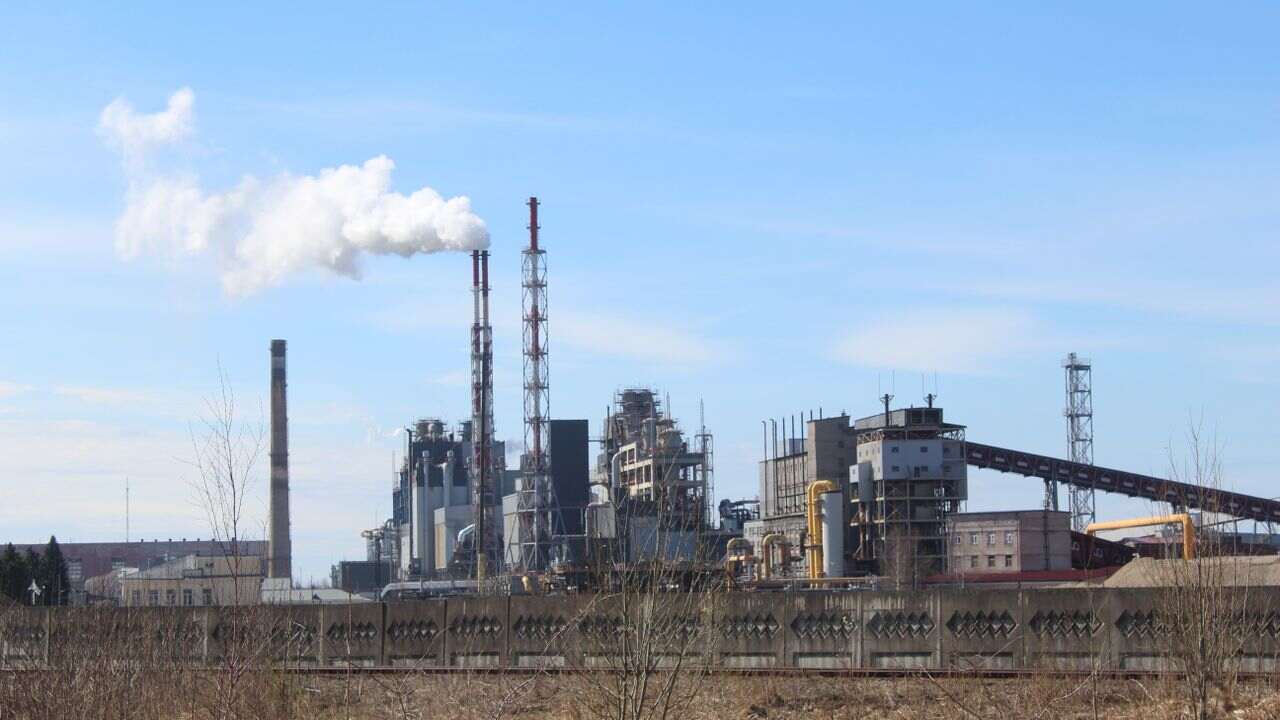
Many business actors consider environmental permits as a single entry point that is the same for everyone. In reality, it is tiered. A food stall and a chemical factory are clearly not treated equally. This is where many people stumble: misreading the tier, then preparing incorrect documents from the start.
Government Regulation Number 28 of 2025, which takes effect on June 5, 2025, and replaces PP 5 of 2021, reaffirms this framework. The entire Environmental Approval process now runs fully through the Online Single Submission (OSS) system.
Risk-based approach through OSS
The basic principle: the type of environmental document is determined by the level of risk and potential impact of an activity, not just by the size of the capital. The greater the potential impact on the environment, the stricter the requirements. Through PP 28/2025, Environmental Approval and Technical Approval can even be submitted in parallel in OSS, with clearer deadlines for each stage. The goal is to expedite the process without compromising caution.
SPPL, UKL-UPL, and AMDAL: when each applies
For low-impact activities, a Letter of Statement of Environmental Management and Monitoring Capability (SPPL) is sufficient. It takes the form of a self-declaration from the business actor, automatically issued through OSS along with the Business Identification Number. For medium impact, the Environmental Management and Monitoring Efforts (UKL-UPL) apply, which require a more detailed management plan. Meanwhile, for high-risk activities, an Environmental Impact Analysis (AMDAL) is mandatory, through a comprehensive environmental feasibility assessment. These three tiers are not optional but are determined by the impact criteria of the activity.
Costly mistakes in the future
The most common mistake is underestimating the tier. There are businesses that should prepare UKL-UPL but think SPPL is sufficient, only to stumble during supervision. Others delay processing and only realize that AMDAL requires time and extensive studies, not a document that can be rushed overnight. Understanding the position of the business within the risk framework from the planning stage is much cheaper than fixing it later, especially if faced with administrative sanctions.
Two triggers, not one
The tier is not determined solely by the size of the business. PP 22/2021 Article 5 paragraph (2) mentions two independent triggers: the type of activity whose size or scale is already on the mandatory AMDAL list, and the location of the activity that is within or directly adjacent to a protected area. If either is met, even small-scale activities can fall under AMDAL solely because of their location.
The phrase "directly adjacent" has a technical meaning in paragraph (4): the project site boundary directly intersects with the boundary of the protected area, or based on scientific considerations, has the potential to affect the function of that area. In the second possibility, the person responsible for the activity must seek guidance from the environmental agency by attaching a summary of the scientific considerations. The size list per type of business is in the Minister of Environment and Forestry Regulation Number 4 of 2021, which is currently in effect, and Article 9 requires the minister to evaluate that list at least every five years. Therefore, refer to the official version, not an old copy.
When one business entity has multiple KBLI
For business actors with several activities under one Business Identification Number, at the same location and integrated with each other, Article 78 paragraph (6) of PP 28/2025 allows for the preparation of a single integrated environmental document. Consequently, that document must follow the highest requirements of all activities: one activity that requires AMDAL pulls all of them into AMDAL, even if the others are sufficient with UKL-UPL.
The opposite direction also exists. Article 10 of PP 22/2021 regulates exceptions to the AMDAL requirement, including when the location is in a district or city that already has a detailed spatial plan based on strategic environmental studies. Being exempted does not mean being free, as Article 11 still requires UKL-UPL or SPPL.
Approval issued does not necessarily mean full operation is allowed
Article 79 of PP 28/2025 places the filtering of document types as the first stage, and that filtering is carried out by the business actor themselves. Making a mistake at the initial point causes all subsequent stages to also be incorrect. The AMDAL document is then assessed by the Environmental Feasibility Assessment Team both administratively and substantively, and the Environmental Feasibility Decision Letter is issued if the results are deemed feasible.
What is often overlooked: Environmental Approval can now be issued without waiting for Technical Approval, but the disposal of wastewater, emissions, and management of B3 hazardous and toxic waste can only be carried out after Technical Approval is issued. Therefore, holding Environmental Approval does not necessarily mean that all operations can begin.
Environmental permits are not just a formality that hinders. They are control instruments that, if understood correctly in terms of their tiers, actually provide certainty for business actors to proceed without fear of being reprimanded along the way.
References:
- Government of the Republic of Indonesia – Government Regulation Number 28 of 2025 on Risk-Based Business Licensing → jdih.setkab.go.id
- Ministry of Environment and Forestry – Environmental Approval Provisions (AMDAL, UKL-UPL, SPPL) → menlhk.go.id
- OSS Agency – Risk-Based Business Licensing Guide → oss.go.id
- Government of the Republic of Indonesia – Government Regulation Number 22 of 2021, Article 5, Article 9, Article 10, and Article 11 → peraturan.go.id/id/pp-no-22-tahun-2021
- JDIH BPK – Minister of Environment and Forestry Regulation Number 4 of 2021, status Effective since April 1, 2021 → peraturan.bpk.go.id/Details/210998/permen-lhk-no-4-tahun-2021
- Hukumonline – Revisiting Environmental Approval and Amdalnet Post Issuance of PP 28/2025, October 22, 2025 → hukumonline.com
- Prolegal – PP 28/2025 Introduces a One-Stop System for Multi-KBLI Environmental Approval Documents, Article 78 paragraph (6) and Article 79 → prolegal.id