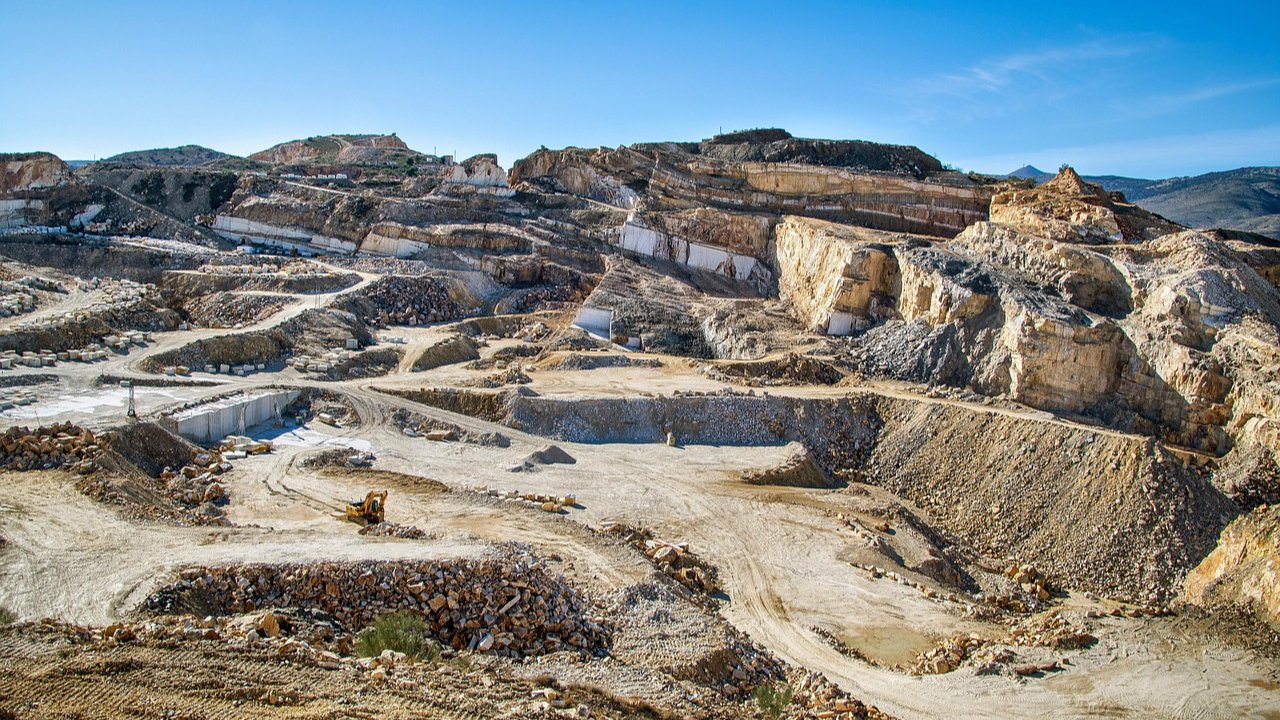
The mining industry faces a challenging dilemma: on one hand, this sector is the backbone of the economy in many regions of Indonesia. On the other hand, the environmental impact of mining activities, ranging from land degradation to water pollution, demands serious and sustainable management. The question is no longer whether mining can coexist with the environment, but how it can be done.
Environmental Regulations in Mining
Indonesia has a fairly comprehensive regulatory framework for environmental management in the mining sector. The Minerba Law, Government Regulation on Reclamation and Post-Mining, and various regional regulations require mining companies to have an AMDAL (Environmental Impact Assessment) document, reclamation plan, and reclamation guarantee before starting operations. However, compliance with these regulations remains a significant challenge.
Many mining companies view environmental management merely as a cost burden. In fact, studies show that companies that are proactive in environmental management tend to have better relationships with local communities, face fewer social conflicts, and have more sustainable operations in the long term.
Reclamation: More Than Just Filling Holes
Post-mining land reclamation is often simplified to the activity of filling in former excavation holes and planting trees. In reality, successful reclamation requires planning that begins even before mining activities commence. This includes mapping the initial land conditions, selecting plant species that are suitable for the soil characteristics, and long-term monitoring of ecosystem recovery.
Some innovative approaches to reclamation that are beginning to be implemented in Indonesia include utilizing former mining land for agriculture, fisheries, or even ecotourism. This demonstrates that with careful planning, post-mining land can have new sustainable economic value.
Water and Mining Waste Management
Water is one of the most critical aspects of environmental management in mining. Acid mine drainage can contaminate water sources around mining sites if not managed properly. The application of appropriate wastewater treatment technologies, sediment containment systems, and regular water quality monitoring is essential for every mining operation.
Dust and emission management is also a concern, especially for open-pit mines. Watering mining roads, installing wind barriers, and monitoring air quality not only protect the environment but also the health of workers and communities around the operational sites.
Closing Remarks
Environmental management in mining areas is a responsibility that cannot be postponed or ignored. Every mining company needs to have competent human resources in the field of environment, from understanding regulations, reclamation techniques, to waste management. For professionals in this sector, deepening competencies in mining environmental management is not just about legal compliance, but about making a real contribution to the sustainability of the industry and the preservation of nature.
References:
- UNICEF Indonesia – Positive Parenting: A Guide for Parents → unicef.org/indonesia
- Kemenkes RI – Guidelines for Stimulation, Detection, and Early Intervention of Child Development → kemkes.go.id
- American Academy of Pediatrics – Positive Parenting Tips → aap.org