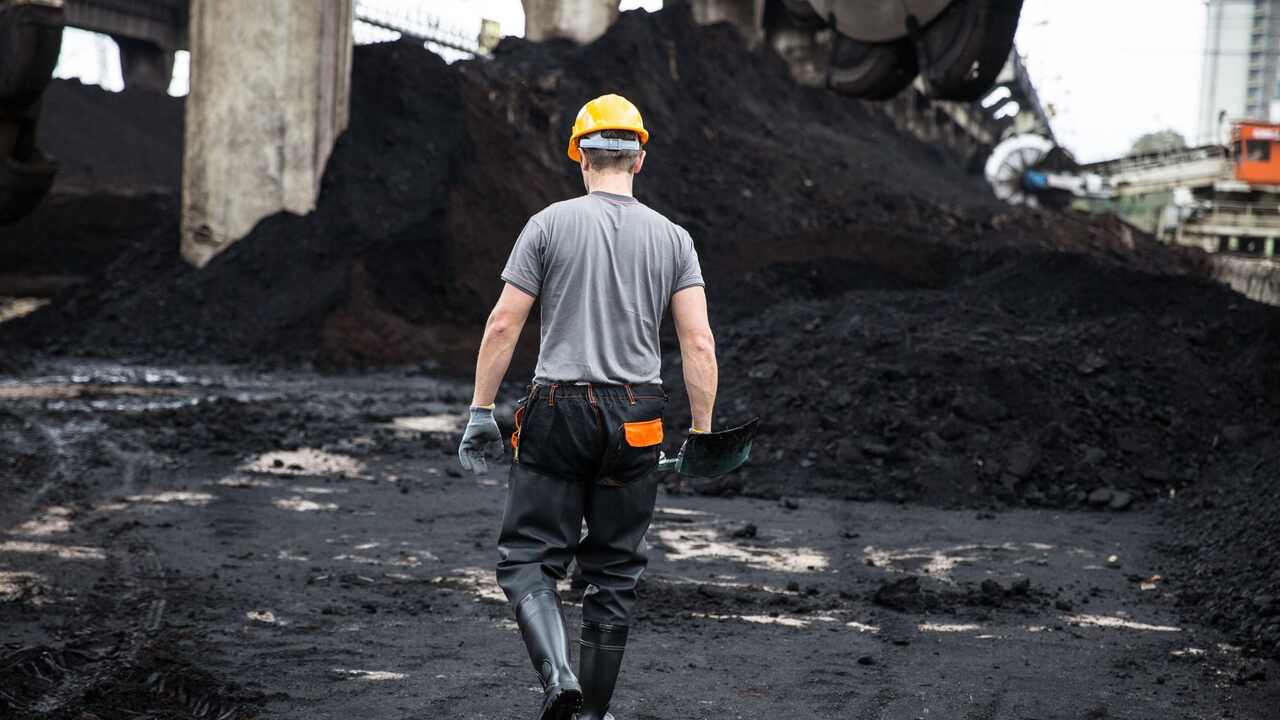
There is a familiar sight in many workplaces: supervisors passing by, helmets and safety glasses neatly worn. When the supervisor walks by, the equipment drops to the neck or is left on the table. If safety is only visible when someone is watching, what you are actually observing is not safety, but rather a reaction to being observed.
What supervision measures, and what it does not
Supervision measures behavior at a specific moment. It does not measure the reasons behind that behavior. The Health and Safety Executive (HSE), the UK workplace safety regulator, clearly distinguishes between the two. Safety culture there is defined as the result of the values, attitudes, perceptions, competencies, and behavioral patterns of individuals and groups that determine the organization's commitment to safety. Worker behavior is just one part of it.
HSE also writes that many companies use the term safety culture to refer to workers' willingness to follow rules, whereas what is more determining is the culture and management style. The same document states that culture can have as much influence on safety outcomes as the safety management system itself.
This means that when workers are only safe when being supervised, the right question is not "who is being naughty," but rather "what conditions make compliance only occur in front of the supervisor."
Signs that can be scanned
HSE mentions several early warnings that can be checked without complicated surveys:
- widespread and routine procedural violations;
- the company's safety management system is not being implemented;
- management decisions consistently prioritize production or cost over safety.
The third point is often overlooked. If production targets always win over procedures, workers learn from that example, not from posters.
Five levels of safety culture
The UK government's guidance for the maritime sector (Maritime and Coastguard Agency) outlines five levels of safety culture according to Hudson, from the lowest:
| Level | Main characteristic |
|---|---|
| Pathological | Safety is ignored unless there is fear of punishment |
| Reactive | Actions only emerge after accidents |
| Calculative | Systems and audits exist, but data is not always used well |
| Proactive | Leadership and values drive continuous improvement |
| Generative | Safety is integrated into the way the organization works, mistakes are anticipated and learned from |
Workers who comply only when supervised are closest to the pathological level: rules are respected out of fear of being caught. The guidance also notes that organizations can regress to previous levels, so culture needs to be continuously nurtured.
Why more supervision is not the answer
Adding supervisors does indeed add eyes. However, the same guidance emphasizes that a culture of compliance is better than non-compliance, but rules only set minimum standards. What drives organizations upward is a culture of learning, which grows from reporting, and a just culture: human error is seen as unavoidable, so processes are improved, while intentional violations are still held accountable. Both rely on trust between workers and managers.
The HSE white paper along with the Health and Safety Laboratory on measuring safety climate touches on the same theme. Themes that emerge include ongoing leadership involvement, fairness in the consequences of unsafe behavior, usable procedures, and peer attitudes. The document explains that safety climate is typically measured through questionnaires about attitudes and perceptions, and HSL provides a survey tool with 40 statements mapped to eight factors.
A simple check for your workplace
HSE identifies four aspects of an effective culture: management commitment, visible management in the field, good two-way communication, and active employee participation. You can use this as a checklist:
- Is leadership visible in the field, not just in meetings?
- Can workers express concerns without fear of repercussions?
- Are existing procedures reasonable and executable in real working conditions?
- Are near-miss reports followed up, or do they just disappear?
A "no" answer to any of these is more informative than that day's patrol results.
Notes
The topic of supervisors who have not formed a safety culture is also discussed in the learning clip on this video page, if you prefer to see the explanation directly. This article refers to sources from regulators and the government below, not to that recording, and does not discuss legal obligations for workplace safety in Indonesia.
Sources
- Health and Safety Executive (UK), "Safety culture" (Human factors briefing note no. 4), hse.gov.uk/humanfactors/assets/docs/common4.pdf, quoting ACSNI Human Factors Study Group, Organising for safety (1993).
- Sugden, Roberts, and Preston, "Measuring the Safety Climate in Organisations", HSE/Health and Safety Laboratory, books.hse.gov.uk/gempdf/Measuring_the_Safety_Climate_in_Organisations_HSE_white_paper.pdf.
- Maritime and Coastguard Agency, "Leading for safety: 6. Creating a culture of safety", gov.uk/guidance/leading-for-safety/6-creating-a-culture-of-safety.