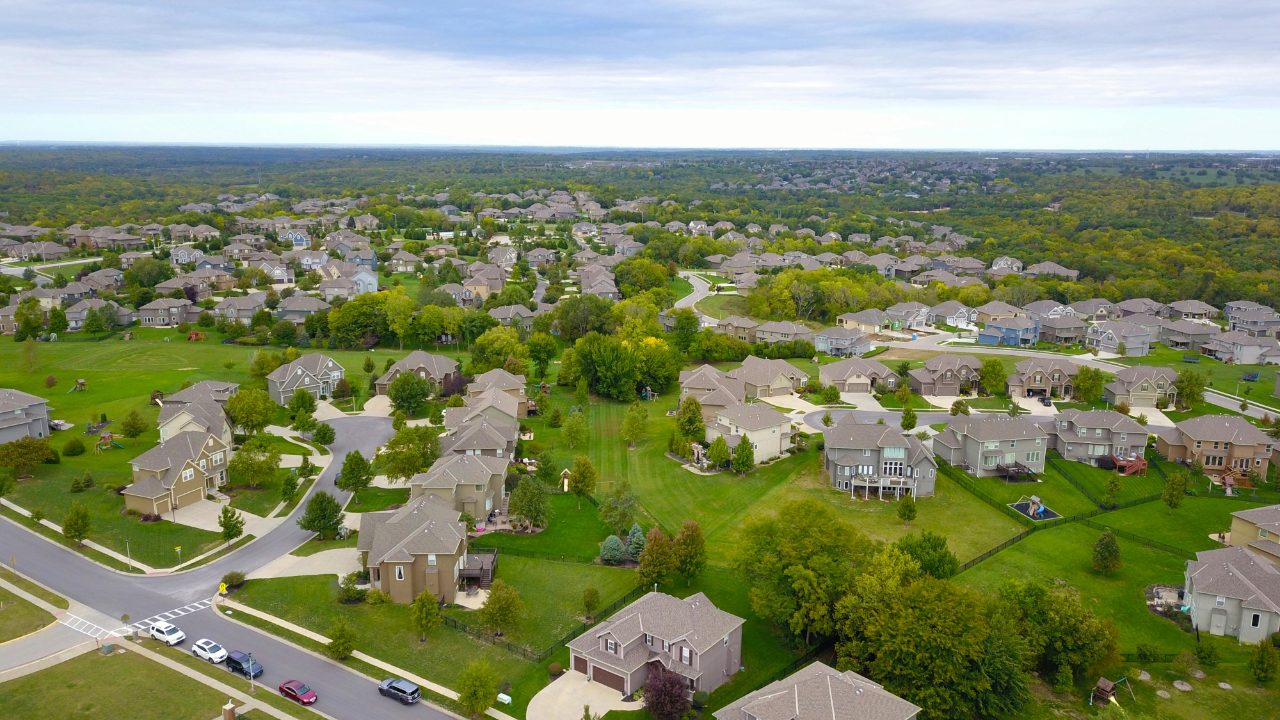
A property developer builds a warehouse complex on land that has been purchased at a premium price. Halfway through construction, he discovers that the location is in a zone that does not comply with the local RDTR (Regional Spatial Plan) and the PKKPR (Approval of Spatial Utilization) he obtained was based on inaccurate data. The project is halted, legal disputes begin, and the financial losses are difficult to predict. Cases like this are not fiction; they represent real risks faced by business actors and developers who do not thoroughly understand spatial planning before making investment decisions.
PKKPR is one of the basic requirements in the risk-based business licensing system introduced by the UU Cipta Kerja (Job Creation Law). It is a document that proves that the business activities to be conducted at a specific location comply with the applicable spatial planning, and without it, the subsequent business licensing process cannot proceed.
What is PKKPR and Why It Is Not a Formality
PKKPR replaces location permits in the old licensing system. It is a formal confirmation that the chosen location for certain business activities is in accordance with the applicable Regional Spatial Plan (RTRW) or Detailed Spatial Plan (RDTR). PKKPR is not just an administrative document; it is the legal basis for the validity of land use for specific business purposes.
There are two types of PKKPR: PKKPR based on RDTR (which is more automated through the OSS system if RDTR is integrated) and non-RDTR PKKPR (which requires a more in-depth study process from spatial planning agencies). Understanding which one applies to your specific situation is the first step that determines how quickly and smoothly the licensing process can proceed.
Complexities of Spatial Planning Often Overlooked
Spatial planning in Indonesia operates within a layered hierarchy: National RTRW, Provincial RTRW, District/City RTRW, and RDTR. Each layer has provisions that can be more specific than the layer above it. A location that appears free based on the District RTRW may have very strict restrictions in the local RDTR, and it is usually the RDTR that serves as the operational reference in the PKKPR process.
- KDB and KLB The Building Coverage Ratio and Floor Area Ratio determine what percentage of the land can be built upon and the total floor area allowed; these parameters directly impact the project's feasibility.
- Overlapping zoning some areas have spatial planning provisions that are not fully synchronized between the old RTRW documents and the new RDTR, creating ambiguities that must be resolved through formal confirmation.
- Protected areas and setbacks river setbacks, coastal setbacks, and other protected areas significantly limit land use, even if they are not always clearly visible on the ground.
Land Disputes: Preventable Risks
Land disputes rooted in spatial planning issues are among the most complex and costly business disputes to resolve. Unlike ordinary contract disputes that can be settled through negotiation, disputes involving spatial discrepancies often confront public interests, with the government representing the public interest as a party that must be faced, and the bargaining position of business actors in this situation is very weak.
Prevention is the only rational strategy: understanding spatial planning regulations thoroughly before land transactions occur, not after construction has begun. Comprehensive spatial due diligence is a small investment compared to the costs of disputes that can last for years.
References:
- Ministry of ATR/BPN – PP No. 21 Tahun 2021 tentang Penyelenggaraan Penataan Ruang → atrbpn.go.id
- Ministry of Environment and Forestry – Integrasi Persetujuan Lingkungan dan Penataan Ruang → menlhk.go.id
- World Bank – Doing Business: Indonesia Land Administration → worldbank.org