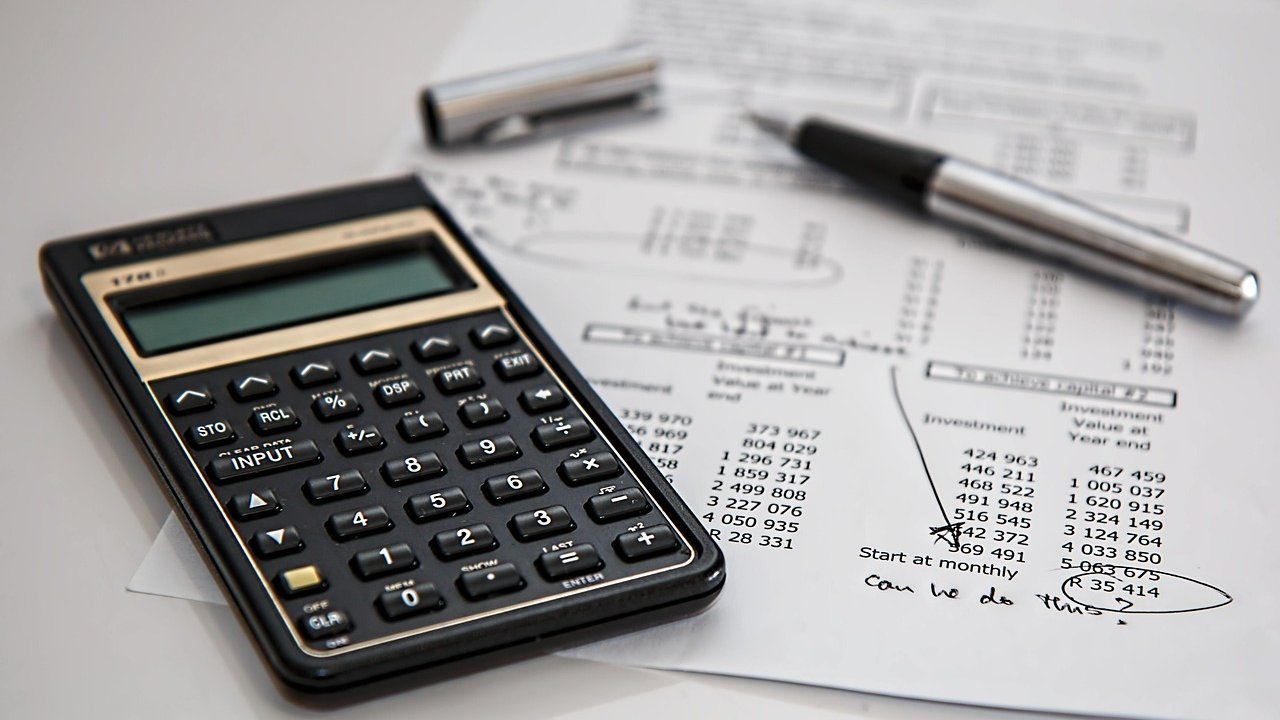
Many MSMEs and even medium-sized companies in Indonesia still manage their bookkeeping in a way that is, frankly, risky. Manual spreadsheets handled by one person, scattered Excel files on desktops without backups, bank reconciliations done once a month (if remembered). When asked about real-time financial reports, the answer is often: “Please wait until the end of the month, sir.”
A 2023 survey by Bank Indonesia revealed that around 60% of MSMEs do not have adequate financial records. Not because they do not want to, but because many do not understand that modern accounting information systems (SIA) are much more accessible than they imagine. It is no longer about expensive software or needing certified accountants at every step.
What is an Accounting Information System?
SIA is not just accounting software. It is a complete system that includes people, procedures, data, and technology that collects, stores, and processes financial information for decision-making. Its main components are six: users, procedures, data, software, IT infrastructure, and internal controls. If one is weak, the output cannot be trusted.
The simplest example: a company that has Jurnal.id but the input process is still handled by an admin without clear SOPs. The software is cloud-based, but the practice is still chaotic. A good SIA is not just about choosing an application, but about how the entire transaction flow is designed from start to becoming an auditable report.
Cloud Accounting vs Conventional: Not Just Moving Online
The debate over cloud vs on-premise in the accounting world has been ongoing for quite some time. However, in Indonesia, the adoption of cloud accounting has only truly increased in the last 3-4 years. Platforms like Jurnal by Mekari, Accurate Online, and Kledo offer ease of access from anywhere, automatic updates, and subscription costs that are relatively affordable for MSME scales.
What needs to be understood: migrating to the cloud is not just about moving Excel files to an online server. There is a fundamental change in how data is managed. Automatic backups, multi-user access with role-based permissions, direct integration with e-tax invoices—these are features that cannot be obtained from manual spreadsheets. But this transition also requires a change in mindset. Teams that are used to “holding their own files” must learn to work within a transparent and traceable system.
AI in Accounting: From Automatic Journals to Anomaly Detection
The latest trend entering the Indonesian accounting ecosystem is AI integration. Not AI that replaces accountants, but AI that takes over repetitive tasks. Automatic transaction categorization, bank reconciliations that can be completed in minutes, even anomaly detection in expenditures that can serve as an early warning for fraud.
The Indonesian Institute of Accountants (IAI) in its public webinar in 2024 emphasized that the accounting profession needs to transform from “number recorders” to “strategic analysts.” Entry-level tasks that used to consume time will increasingly be handled by AI. Accountants who can interpret data, provide business insights, and understand the technology behind SIA will have much higher value in the job market.
Unorganized Financial Data is Hidden Debt
Many new business owners realize the importance of SIA when it is too late: when credit applications are rejected due to unbankable financial reports, when tax audits find inconsistencies that lead to fines, or when potential investors back out after seeing disorganized due diligence. Unorganized financial data is not just a technical issue. It is a real business risk that can be quantified in losses. Building a system from the start is always cheaper than fixing chaos later.
References:
- Bank Indonesia – Survey of MSME Profiles and Financial Access 2023 → bi.go.id
- Indonesian Institute of Accountants (IAI) – Transformation of the Accounting Profession in the Digital Era → iaiglobal.or.id
- Mekari Jurnal – Trends in Cloud Accounting Adoption in Indonesia → jurnal.id