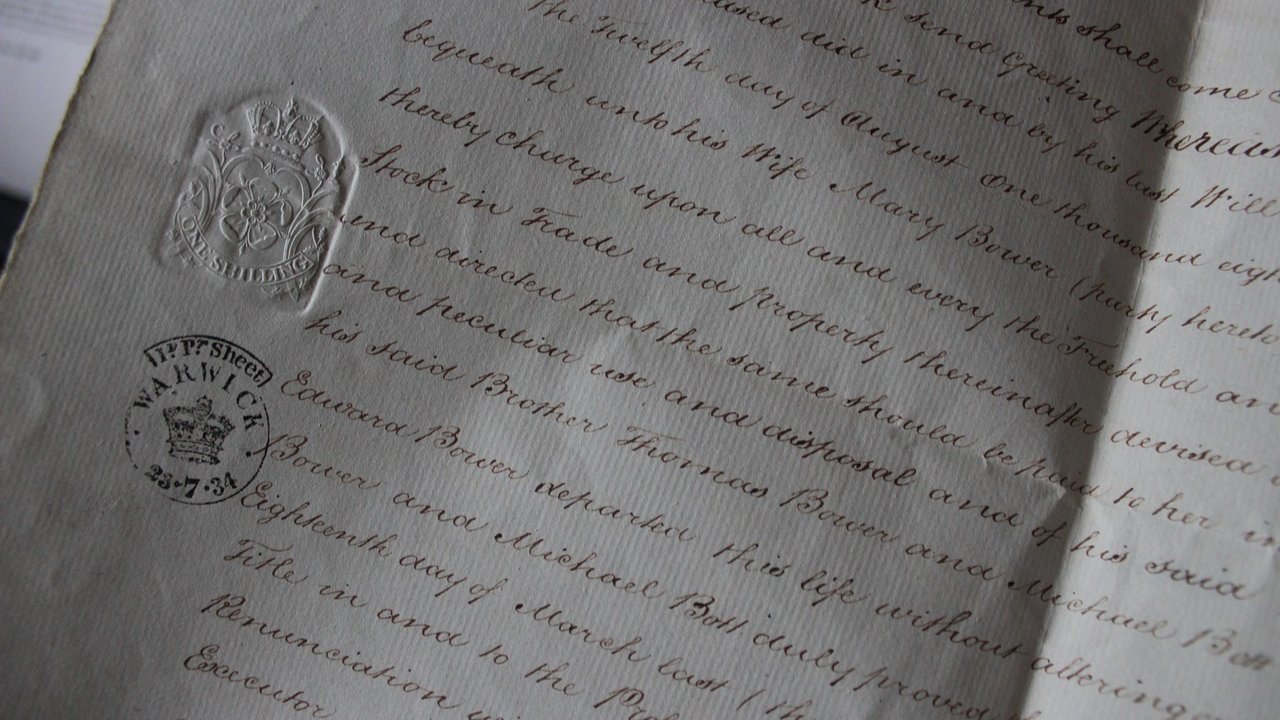
In the business world, contracts are not just a formality; they are the foundation that binds agreements between two or more parties. Unfortunately, many business actors in Indonesia, especially SMEs, still rely on verbal agreements or contracts that are hastily drafted. As a result, when disputes arise, their legal position becomes weak.
Why is a Good Business Contract So Important?
A well-drafted business contract serves to protect the interests of all parties involved. It clearly defines the rights and obligations, regulates the dispute resolution mechanism, and provides the legal certainty needed to carry out long-term cooperation. Without a solid contract, the risk of financial and reputational loss significantly increases.
In Indonesia, the principles of agreements are regulated in the Civil Code (Kitab Undang-Undang Hukum Perdata). Understanding this legal basis is important so that the contracts drafted meet the requirements for a valid agreement and have binding legal force. Contracts that are legally defective can be annulled by the court, rendering the entire agreement meaningless.
Key Elements in a Business Contract
A comprehensive business contract must at least include the clear and complete identities of the parties, the scope of work or transactions agreed upon, the rights and obligations of each party, payment terms and schedules, a force majeure clause for conditions beyond control, a dispute resolution mechanism, and provisions regarding the termination of the contract.
Each clause must be written in clear and unambiguous language. Ambiguity in contracts is a primary source of business disputes. A single word with double meanings can lead to different interpretations that disadvantage one party.
Techniques for Drafting Effective Contracts
Effective contract drafting begins with a deep understanding of the anatomy of a contract. The opening section contains the title, contract number, and identities of the parties. The body outlines the entire substance of the agreement. The closing section includes general provisions, choice of law, and signatures. A systematic structure facilitates understanding and reduces the potential for misinterpretation.
One common pitfall is the use of contract templates without adjustments. Each business transaction has unique characteristics that require specific clauses. Templates can serve as a starting point but must be modified according to the needs and risks relevant to the transaction.
When Does a Contract End?
Understanding the mechanisms for contract termination is as important as understanding its creation. Contracts can end due to the expiration of the agreed term, mutual agreement of both parties, cancellation by one party according to the stipulated provisions, or a court ruling. Each mechanism has different legal consequences and must be understood from the outset of drafting.
The ability to draft a good business contract is a highly valuable professional competency. For business actors, this is not just a legal matter but an investment to protect their business and build healthy and sustainable business relationships.
References:
- Civil Code – Book III: Obligations (Articles 1313-1351) → hukumonline.com
- ICC – ICC Model International Sales Contract → iccwbo.org
- Kemenhumkam RI – Guidelines for Drafting Business Contracts → kemenkumham.go.id