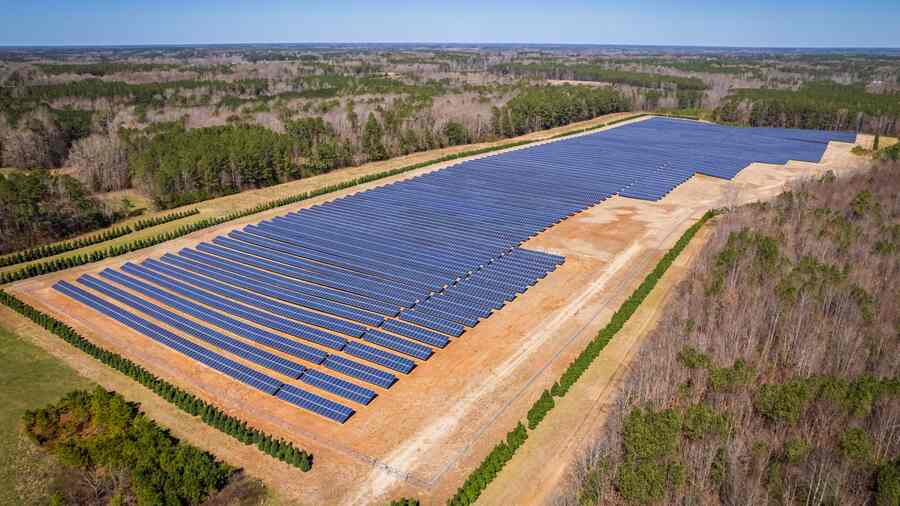
Many solar power plant (PLTS) projects look promising on paper, but the results often fall short after installation. Electricity production is below expectations, payback periods are delayed, and project owners are confused about where things went wrong. Often, the root cause is the same: decisions are made without serious simulation and feasibility analysis.
For hybrid PLTS systems, which combine solar panels with the PLN grid, generators, or batteries, the stakes are even higher. There are many variables that influence each other. This is where technical simulation and feasibility studies stop being mere formalities and start determining the fate of the project.
Why "Estimates" Are Not Enough
Hybrid systems must balance many factors simultaneously: daily load patterns, changing solar intensity every hour, shading from surrounding buildings, panel degradation from year to year, and when to switch loads to the grid or to batteries. Relying on rules of thumb for such a complex system is akin to guessing. A few percentage points difference in performance ratio can mean losses of tens of millions of rupiah over a project lifespan of two decades.
PVSyst, The Industry Standard Language
PVSyst has become the software that is nearly the de facto standard for modeling photovoltaic systems. It calculates estimated annual energy production, performance ratio, and details of losses, from shading losses, temperature, cables, to inverters. This output is not just numbers for reports. Financing institutions and investors often require simulation reports as a bankability condition before releasing funds. Without a credible model, it is difficult for projects to convince investors.
LCOE, Payback, and Regulations
The technical side is only half the story. Feasibility analysis translates it into monetary terms through metrics such as Levelized Cost of Energy (LCOE), Internal Rate of Return, and payback periods. In Indonesia, the landscape has changed quite sharply. Through Minister of Energy and Mineral Resources Regulation No. 2 of 2024 regarding Rooftop Solar Power Plants, the net metering scheme has been eliminated and replaced with a quota system. This means that the economic assumptions previously used by many now need to be recalculated. Accurate simulations help map the impact of these regulatory changes before, not after, the project is underway.
From Model to Decision
Ultimately, simulations and feasibility studies are not just about producing thick documents, but about reducing uncertainty. They answer the most fundamental questions before capital is spent: is this project feasible, how great is the risk, and when will it break even? In a capital-intensive energy industry, those questions are too costly to answer with guesses.
References:
- PVSyst SA – PVsyst Photovoltaic Software User Guide
- International Renewable Energy Agency (IRENA) – Renewable Power Generation Costs
- Kementerian ESDM – Peraturan Menteri ESDM No. 2 Tahun 2024 tentang Pembangkit Listrik Tenaga Surya Atap