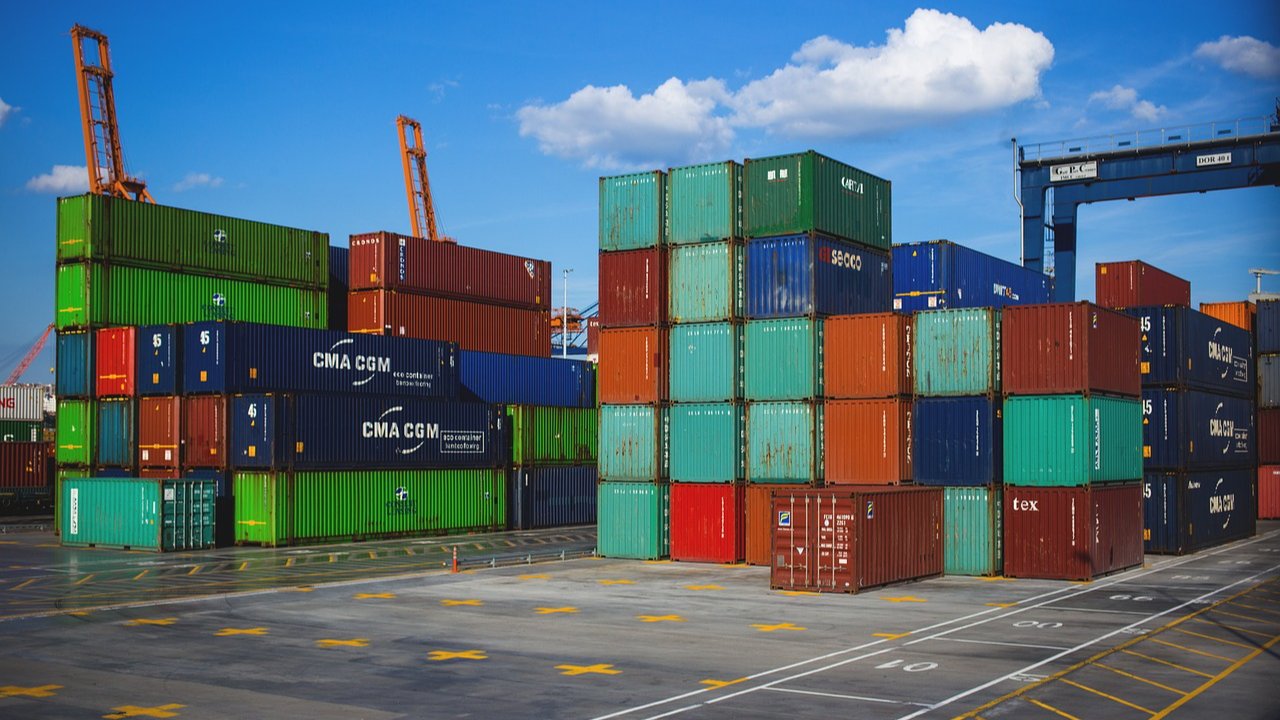
Indonesia has a wealth of products that are potential for the global market, ranging from agricultural commodities, handicrafts, to manufactured goods. However, many business players are still hesitant to start exporting because they feel the process is too complicated. In fact, with the right understanding of the export flow from upstream to downstream, the opportunity to penetrate international markets is wide open.
Understanding the Export Chain from Upstream
The first step in exporting is not to directly seek buyers abroad, but to ensure that the products to be exported are competitive. This includes selecting the right products, meeting quality standards that align with the target market, and having production capacity that can consistently meet demand. Many novice exporters fail not because their products are poor, but because they cannot maintain supply consistency.
Market research is a crucial foundation before deciding on the target export country. Each country has different import regulations, consumer preferences, and product standards. Food products that are popular in the Middle East may not necessarily be favored in Europe, and vice versa. Understanding the characteristics of the target market will save a lot of time and costs in the future.
Documents and Regulations to Master
One of the most confusing aspects for novice exporters is documentation. Packing lists, invoices, bills of lading, certificates of origin, and various product certifications all need to be prepared meticulously. A small mistake in documentation can cause goods to be held up at the port or rejected by the destination country.
Indonesia has various facilities that support exporters, including free trade agreements with several countries that provide tariff relief. Understanding these trade preference schemes can be a significant competitive advantage, especially in reducing selling prices in the target market.
Building Networks and Distribution Channels
Exporting is not just about sending goods abroad. Building a reliable supplier network upstream is as important as finding the right buyers downstream. Many successful exporters start by participating in international trade fairs, joining exporter associations, or utilizing B2B digital platforms to reach potential buyers.
Logistics is also a critical factor. Choosing shipping routes, international payment methods such as Letters of Credit, and risk management during the shipping process require an understanding that should not be underestimated. A single mistake in selecting incoterms can have a significant impact on profit margins.
Closing Remarks
Exporting is a long journey that requires thorough preparation at every stage. From product selection upstream to delivery to buyers downstream, each link in the chain has its own challenges. For business players who are serious about penetrating the global market, equipping themselves with comprehensive export knowledge, including regulatory aspects, logistics, and negotiation, is an investment that will yield long-term returns.
References:
- Vogue Business – The State of Fashion Photography → voguebusiness.com
- Adobe – Adobe Lightroom: Photo Editing Best Practices → adobe.com
- British Journal of Photography – Fashion Photography: Trends and Techniques → bjp-online.com