Most AI assistants forget you every time a conversation ends. This trait may seem inconvenient, but it quietly protects: nothing is left behind, as nothing is stored.
The generation of agents emerging throughout 2026 trades this trait for convenience. Hermes Agent, an open-source agent from Nous Research released in February 2026, is installed by its users and communicates via messaging apps. Its main feature is persistent memory. It remembers preferences, projects, and work environment contexts between sessions, then documents how to solve previously resolved issues for reuse.
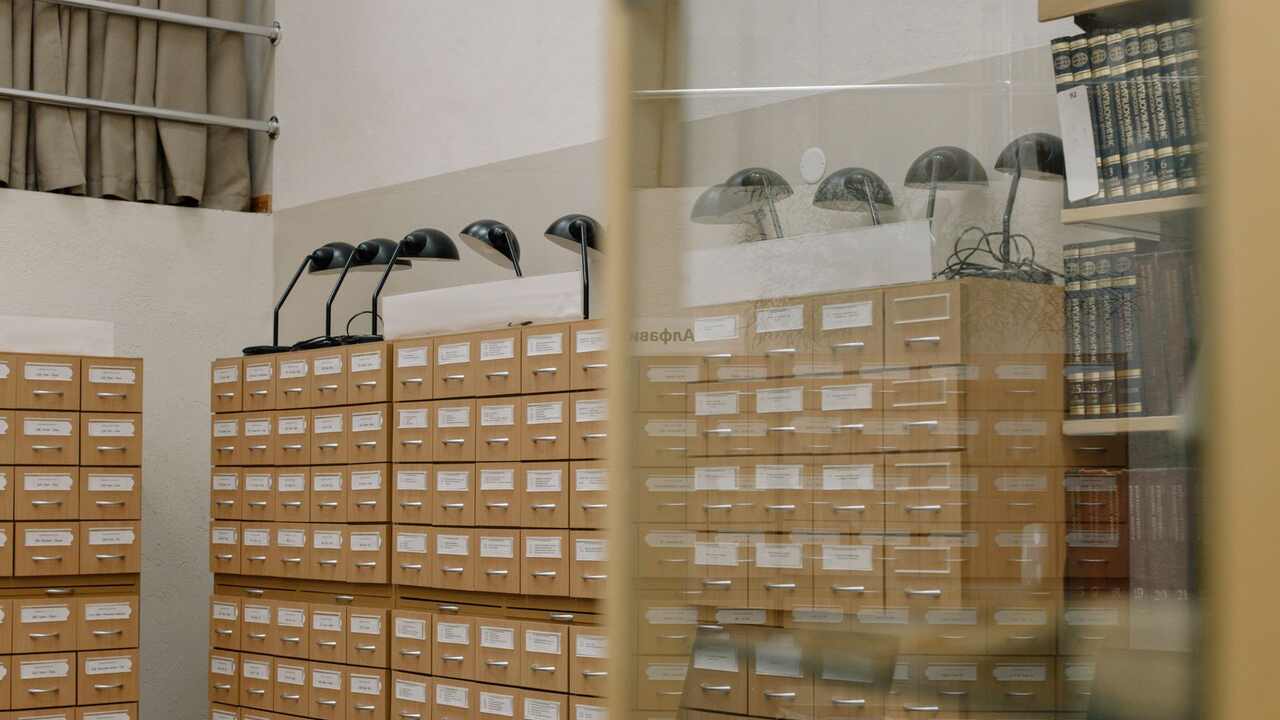
The result is indeed more user-friendly. There’s no need to explain who your client is every morning. However, memory transforms the assistant into something else, namely an archive that grows without ever being requested.
Three Changes When Assistants Start Remembering
The content accumulates beyond plans. What enters memory is not just preferences for report formats. It also stores names, contract values, complaints about coworkers, and snippets of documents that were accidentally overlooked one afternoon. There is no moment when someone decides to save all of this, as storage occurs as a side effect of daily use.
Memory can become stale without appearing stale. Decisions that have been canceled, provisions that have been revised, or responsible parties that have changed remain stored with the same confidence as the latest facts. An assistant that trusts its old records will organize work on a faulty basis, and the results still sound convincing.
Some of the content is personal data. Once memory contains information that identifies individuals, it falls under the jurisdiction of Law Number 27 of 2022 on Personal Data Protection (UU PDP). This regulation mandates deletion when the retention period ends or when the data subject requests it, and requires the controller to notify the individual of that deletion. Such obligations are difficult to fulfill if no one knows exactly what is stored.
Self-Hosting Answers Some, Not All
An agent installed on its own server indeed addresses one major concern. Its data is not entrusted to third-party services, and there are no unilateral provisions that can change suddenly.
What is often overlooked is that full control means full responsibility. The memory file is stored somewhere, and the question shifts to its owner. Who can read it? Where is the backup copied? Does the backup get deleted when its contents are erased? Who is responsible for installing security updates? Placing something on your own server does not make these questions disappear; it merely shifts their address.
Four Habits to Keep It Under Control
Set boundaries before use, not after. Decide from the outset which categories of information should not be remembered, especially customer identities and system credentials.
Review the contents periodically. Memory is the only part of the agent that never presents itself. Scheduling a review every few months is more useful than relying on assumptions.
Correct explicitly. When a decision changes, update the record; do not just mention the change in a conversation that will be buried.
Treat the memory file like a database. This means there is ownership, there are rules about who can read it, and there is a retention period.
A PwC Indonesia survey shows that daily AI usage is associated with a significantly higher perceived productivity compared to occasional use. It is this daily usage that fills memory quickly. Benefits and archives grow from the same habits, and only one of them is visible on the screen.
Sources
- DigitalOcean, "What Is Hermes Agent? Self-Hosting and Task Automation in 2026". https://www.digitalocean.com/resources/articles/what-is-hermes-agent
- Hukumonline, "Kewajiban-Kewajiban Penting dalam UU PDP dan Sanksinya Jika Melanggar". https://www.hukumonline.com/klinik/a/kewajiban-kewajiban-penting-dalam-uu-pdp-dan-sanksinya-jika-melanggar-lt633abd26570aa/
- Hukumonline, "Aturan Wajib bagi Pengendali Data Pribadi dalam UU PDP". https://www.hukumonline.com/berita/a/pengendali-data-pribadi-lt638468763be7d/
- PwC Indonesia, "Adopsi AI mendongkrak produktivitas, terutama bagi Gen Z Indonesia". https://www.pwc.com/id/en/media-centre/press-release/2026/indonesian/hopes-and-fears-2025-indonesia.html