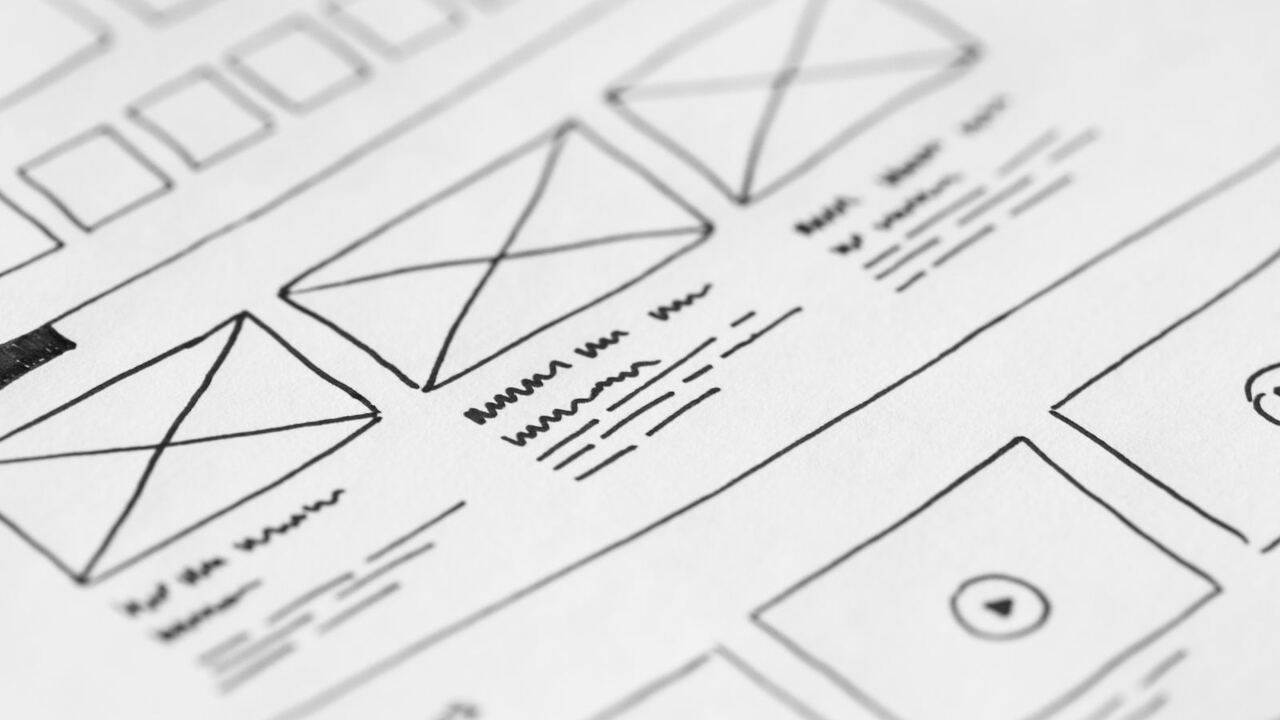
Before a coding agent writes a single line of code, they only know what you tell them. If the story is unclear, the result is a neat application that answers the wrong questions. This is where the product requirements document, commonly abbreviated as PRD, comes in handy: it transfers the needs from your head to a written format that can be reviewed, checked, and held by the agent.
This writing does not discuss what a PRD is in general. The question is more specific: which parts of a PRD truly determine the quality of the agent's work, and how to test your PRD before it is used.
What the requirements engineering standard asks for
Requirements engineering is not a new term from the AI world. The ISO/IEC/IEEE 29148:2018 standard on requirements engineering establishes the processes and items of information produced, complete with minimal content and formatting guidelines, applicable to both system and software projects regardless of scale or methodology. According to the page of the standard accessed for this writing, its status is published and currently under revision. The lesson: writing requirements is a disciplined task, not just a wish list.
Why agents need it more than humans
Human colleagues can ask questions along the way. Agents do not always ask questions themselves. The official documentation for Claude Code states that models can infer intent but cannot read minds, so file references, constraints, and example patterns need to be specified. The same guide emphasizes separating stages: exploration and planning first, then implementation, so that agents do not solve the wrong problems.
The spec-driven development approach described in the GitHub Spec Kit repository follows a similar sequence: specifications contain what and why, while new technology choices come in the planning stage. This means a good PRD does not start with "use this framework." It starts with who the users are and what problem is being solved.
The five most determining parts
- Users and goals. Who is using it, to accomplish what, in one or two sentences.
- User flow. Step by step from start to finish, including what happens when there is incorrect input.
- Out of scope. A list of things that are intentionally not being worked on. The Claude Code guide states that the most useful specifications specify what is out of scope.
- Constraints. Technologies that must be used or avoided, as well as existing patterns in the project.
- Acceptance criteria. How to prove that the feature is correct.
The fifth part is often overlooked, yet it has the most impact. According to the same documentation, without executable checks, "looks finished" becomes the only signal the agent has, and you become the tester for every mistake. An example in the guide: instead of asking for an email validation function, write down example inputs along with the expected results, and then request the tests to be run.
Test your PRD with three questions
First, can every requirement sentence be answered with "pass" or "fail"? Sentences like "the page should feel fast" cannot be tested. "The order list displays in less than two seconds for 500 rows" can.
Second, is there anything that only you know? Internal terms, business rules, or reasons behind a decision must be written down, as agents do not attend your meetings.
Third, does this document stand alone sufficiently? The Claude Code guide suggests starting a new session for execution after the specifications are complete, so the agent's context is clean and focused. A PRD that only makes sense alongside chat history means it is not finished.
If you prefer a more pleasant introduction, there is a short clip on the video page.
Sources
- ISO, "ISO/IEC/IEEE 29148:2018 Systems and software engineering: Life cycle processes: Requirements engineering". https://www.iso.org/standard/72089.html
- Anthropic, "Best practices for Claude Code". https://code.claude.com/docs/en/best-practices
- GitHub, "Spec Kit: spec-driven development toolkit" (README). https://github.com/github/spec-kit